
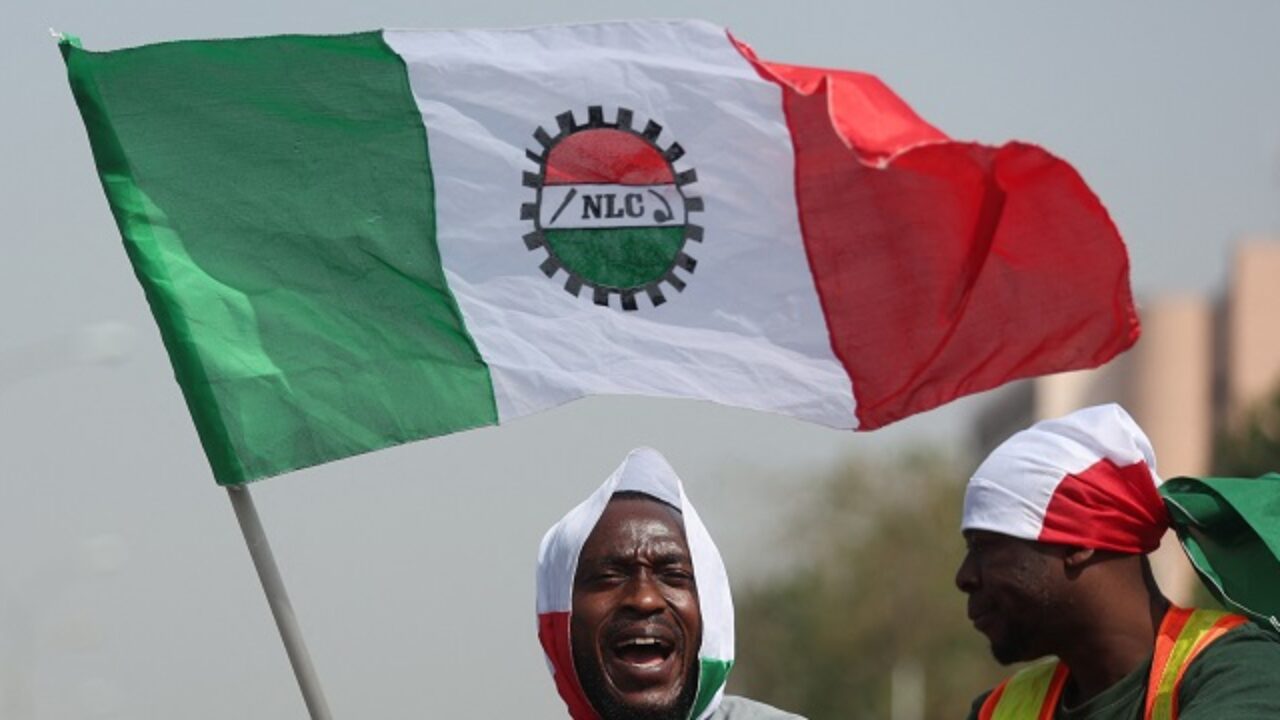
The Nigeria Labour Congress has started a two-week countdown, and the clock began on Friday, October 9.
By the end of that window, labour wants the federal government to take measures to bring petrol down to the price it was when the current minimum wage was signed in 2024. That deadline lands on Friday, October 23.
The demand is not only about petrol. The NLC also wants renegotiation of the national minimum wage to begin before the end of October. The congress argues the N70,000 wage that President Bola Tinubu signed into law on July 29, 2024, has been gutted by the falling naira and rising living costs. Workers, it says, cannot cover food, housing, healthcare, transport and school fees on it.
Petrol sits at the centre of that complaint. The NLC says the high pump price has pushed up the cost of transport, food and other essentials. Anyone who has watched a danfo fare jump in Lagos knows the chain: fuel moves first, everything else follows.
The ultimatum has a longer list attached. Labour also wants the government to implement the February 5, 2026 settlement with the Joint Health Sector Unions and the Assembly of Healthcare Professionals, along with the demands of the Joint Public Sector Negotiating Council. It is also pressing for the tax relief promised to workers and for wage awards to be paid now.
The warning comes with a recent strike behind it. Public servants under the Joint National Public Service Negotiating Council have just finished a three-day warning strike over the government’s failure to cut petrol to N500 per litre and open fresh wage talks. Nobody in Abuja can say they were not warned.
The government’s own number sits far from that figure. Finance minister Taiwo Oyedele says Abuja is negotiating a ceiling of N1,350 per litre on the ex-gantry or landing cost of petrol. That is a cap on the price at the depot, not at the pump. The gap between that and what labour is asking for is wide.
What labour will do if the deadline passes is unclear. The NLC says only that it would take remedial steps as directed by its relevant organs. There is no strike date and no named action. That leaves both sides guessing, and leaves the government with two weeks to decide whether the threat is real.
Workers have already answered in their own words. “No society can sustainably develop under a regime of corporate plunder and neo-liberal enslavement.